
The Importance of Sound Quality in Business
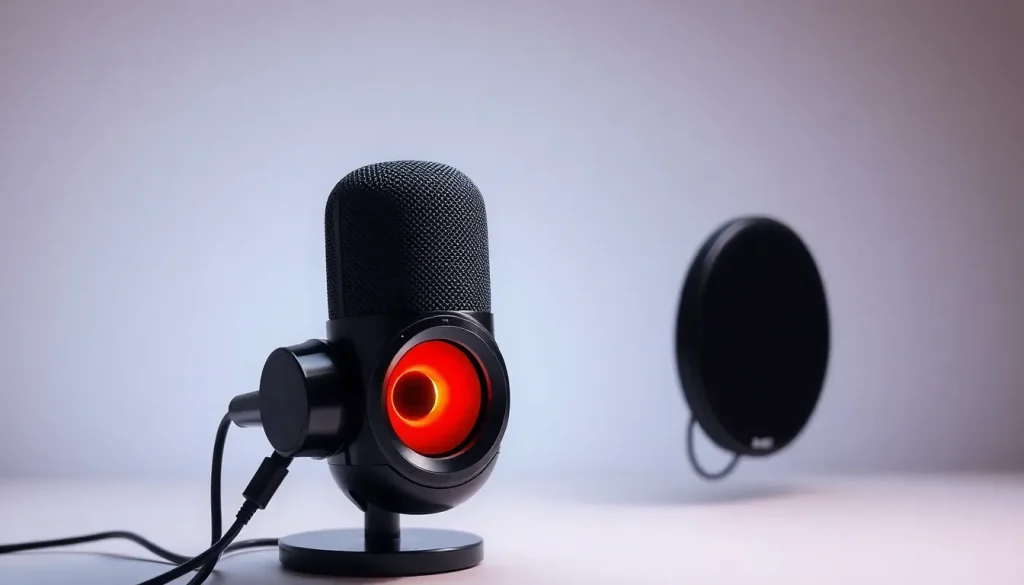
In an age where music is more accessible than ever, the sound quality we experience can greatly enhance or detract from our enjoyment. As portable computers have become the modern hi-fi stereo systems, understanding how to optimize sound quality is essential for true audiophiles. Here’s a comprehensive guide to achieving stellar sound quality from your portable devices.
Understanding the Importance of Sound Quality
Sound quality is not just a preference; it affects how we perceive music and its emotional impact. Good sound quality enhances clarity, depth, and richness, allowing listeners to appreciate nuances in recordings that may otherwise be lost. This is particularly significant for genres that rely on intricate harmonies and dynamic ranges.
Moreover, high-quality sound can transform a casual listening experience into an immersive journey. When comparing music formats, the differences in sound quality can be significant, leading to a more rewarding experience for those who prioritize auditory fidelity.
How to Describe Good Sound Quality
Good sound quality can be characterized by several key attributes:
- Clarity: Sounds are distinct and well-defined, allowing listeners to pick out individual instruments and vocals.
- Balance: A well-balanced mix ensures that no single frequency overpowers the others, providing a harmonious listening experience.
- Depth: Good sound creates a sense of space, making listeners feel as if they are part of the performance.
- Dynamic Range: This refers to the difference between the quietest and loudest parts of a track. A greater dynamic range adds excitement and realism.
- Frequency Response: A wider frequency response means the audio system can reproduce both low bass and high treble sounds accurately.
Choosing the Right Audio File Formats
The starting point for achieving high-quality sound is selecting the appropriate audio file format. Here’s a breakdown of the file formats available:
- Lossy Compressed: Formats like MP3 and AAC reduce file size by discarding some audio data, which can compromise sound quality. While higher bit rates (like 320kbps) can come close to CD quality, lower bit rates (like 128kbps) lead to noticeable degradation.
- Lossless Compressed: Formats such as FLAC and ALAC retain all audio data while reducing file size. They offer a great balance between sound quality and storage efficiency.
- Uncompressed: Formats like WAV and AIFF preserve the original audio quality but result in much larger file sizes, making them less practical for everyday use.
For audiophiles, lossless formats are recommended when sourcing music from physical collections. If using iTunes, ALAC is the default lossless option, while FLAC can be utilized with various music management apps like Windows Media Player.
Backing Up Your Music Library
Creating a digital music library is an investment in time and effort. To protect this collection, it's crucial to have a reliable backup strategy:
- External Hard Drives: These can store massive amounts of data at relatively low costs. A 1TB hard drive can hold up to 200,000 songs for around $50-$60.
- Cloud Storage: Services like Google Drive provide secure offsite backups that automatically sync and update, ensuring your music library is always safe and accessible.
- Regular Backups: Establish a routine for backing up your library to prevent data loss due to hardware failure or accidental deletions.
Enhancing Your Listening Experience with External Speakers
To maximize sound quality, an external audio system is essential. Here are several options to consider:
- Computer Speakers: Basic stereo pairs or 2.1 systems with a subwoofer can significantly enhance your listening experience.
- Surround Sound Systems: Ideal for gaming or movie watching, these systems provide an immersive audio experience.
- Connecting via Different Methods: Most speakers connect via a standard audio jack, but many also offer USB or Bluetooth connectivity for added convenience.
Exploring Wireless Sound Systems
For those who desire flexibility in music playback, wireless systems present an excellent solution. Consider the following:
- Multiroom Systems: Brands like Sonos allow you to stream music throughout your home, with mobile devices acting as remote controls.
- Chromecast Audio: Attaching this device to speakers enables streaming from your laptop across multiple rooms.
- Multiroom Receivers: These components amplify signals and incorporate Wi-Fi and Bluetooth, facilitating seamless audio streaming.
With modern digital music, the opportunity to enjoy high-quality sound is more accessible than ever. Investing in good equipment and adopting effective strategies will enhance your listening experience without sacrificing convenience.
Taking Your Sound System to the Next Level
Once you've set up your basic sound system, consider additional upgrades to further enhance audio quality:
- Digital-to-Analog Converters (DACs): Investing in a high-quality DAC can significantly improve sound clarity and fidelity by converting digital audio signals to analog.
- Audio Interfaces: For those who are serious about music production, an audio interface provides higher-quality audio input and output options.
- Soundproofing Your Space: To maximize acoustic performance, consider soundproofing your listening environment to minimize external noise interference.
By understanding the fundamentals of sound quality and taking deliberate steps to enhance your audio experience, you can enjoy a richer, more immersive musical journey. Whether you're a casual listener or an audiophile, the right setup can transform how you experience music.
For an in-depth look at sound quality and its importance, check out this insightful video:
With dedication and attention to detail, you’ll be well on your way to achieving exceptional sound quality that truly enhances your music listening experience.

Leave a Reply