
The Witcher explains Henry Cavill to Liam Hemsworth transition
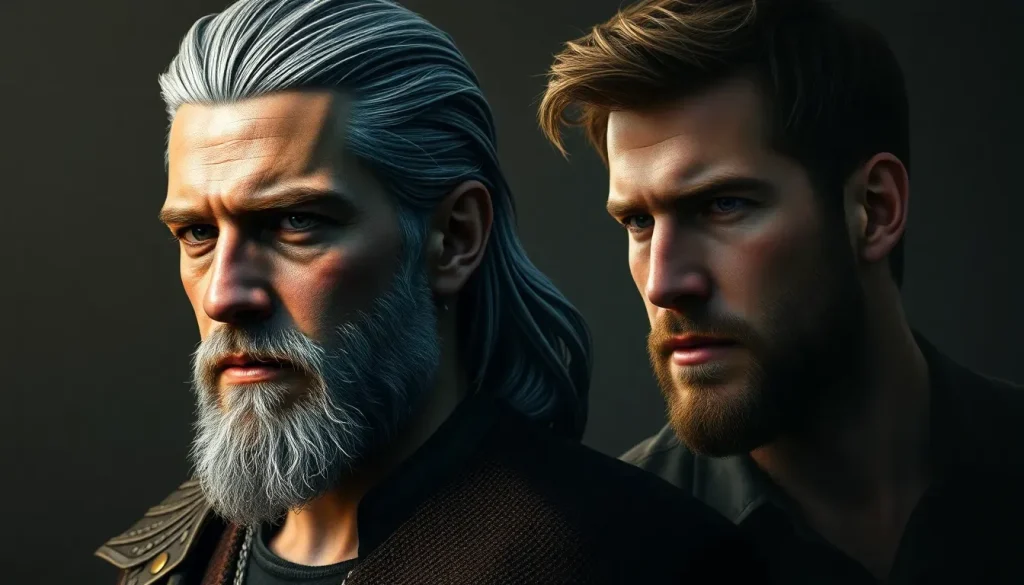
As the highly anticipated The Witcher Season 4 debuts on Netflix, fans are grappling with a significant change in the series' dynamic. The departure of Henry Cavill and the introduction of Liam Hemsworth as the new Geralt of Rivia has sparked debates and discussions among viewers and critics alike. What led to this transition, and how does the series justify this casting shift? In this article, we delve into the intricacies of the change and its narrative implications.
- Understanding the actor change in The Witcher
- Reasons behind the replacement of Henry Cavill
- Liam Hemsworth's acceptance of the role
- The narrative explanation for the character change
- Thematic implications and audience reception
- The future of Geralt in The Witcher
- Fan reactions and community discussions
- Conclusion and reflections
Understanding the actor change in The Witcher
The transition from one lead actor to another in a long-running series is not uncommon in the entertainment industry. However, The Witcher takes a unique approach to address this shift. Instead of glossing over the change, the show has woven it into the narrative fabric of the fourth season, providing both context and a creative rationale for the recasting.
Reasons behind the replacement of Henry Cavill
The reasons for Cavill's exit are multifaceted. Reports indicate that creative differences between the actor and the production team played a crucial role. Cavill, known for his commitment to the source material, often clashed with the show's direction, leading to his decision to step away from the role. This situation forced Netflix to seek a suitable replacement to continue the story of one of its flagship series.
Liam Hemsworth's acceptance of the role
When offered the chance to step into Geralt's shoes, Liam Hemsworth faced a considerable challenge. Accepting the role meant not only taking on a beloved character but also doing so under the scrutiny of a passionate fanbase. For Hemsworth, the opportunity to portray Geralt was enticing. He expressed his admiration for the character and the world created by Andrzej Sapkowski, the author of the original novels.
- Hemsworth's dedication to understanding the character and its nuances.
- His interest in exploring Geralt's complex moral compass.
- Desire to bring a fresh perspective to the iconic role.
The narrative explanation for the character change
The fourth season of The Witcher opens with a narrative device that cleverly addresses the recasting. The character Stribog, voiced by Clive Russell, recounts the story of "The Butcher of Blaviken," a tale familiar to fans from the first season. However, this time, viewers see the events through Hemsworth's portrayal of Geralt. This clever storytelling choice allows the creators to present the shift in a way that feels organic to the story.
As the narrative unfolds, a dialogue between Stribog and a young girl named Nimue highlights the subjective nature of storytelling. When Nimue asserts that Stribog's version of the tale is inaccurate, it serves as a meta-commentary on the nature of perspective. The series suggests that each storyteller adds their own interpretation, which in this case, is reflected in the change of actor.
Thematic implications and audience reception
By framing the recasting as a matter of perspective, the show taps into a core theme of The Witcher: how narratives are shaped by those who tell them. This idea resonates deeply within the context of the series, as it often explores themes of morality, choice, and the complexity of human experience.
However, the decision to directly address the actor change has not been without controversy. Some fans have embraced the narrative twist, appreciating the creativity behind it, while others feel that it lacks the necessary weight to justify such a significant recasting. The divergence in opinions highlights the passionate investment viewers have in the series and its characters.
The future of Geralt in The Witcher
Looking ahead, Netflix aims to solidify Liam Hemsworth's portrayal of Geralt as distinct yet faithful to the character established by Cavill. The production team has expressed confidence in Hemsworth's ability to embody Geralt's essence, emphasizing that the character's core traits—his iconic silver hair and yellow eyes—remain intact despite the change in actors.
- Hemsworth's commitment to understanding Geralt's motivations and personality.
- The goal of creating a seamless transition for viewers.
- Ensuring that the narrative remains consistent while adapting to the new portrayal.
Fan reactions and community discussions
As the series progresses, fan reactions to Hemsworth's performance are likely to shape the future of The Witcher. Online discussions, social media debates, and fan forums have become hotbeds for expressing opinions about the recasting. Some viewers are skeptical, while others are open to giving Hemsworth a chance.
For those interested in further exploring this topic, a notable video discussion on YouTube titled "Liam Hemsworth EXPLOTA mientras Henry Cavill lo CULPA ..." delves into the community's sentiments regarding the transition.
Conclusion and reflections
The recasting of Geralt in The Witcher serves as a compelling case study in the dynamics of storytelling and audience engagement. By addressing the change within the narrative framework, the showrunners have not only justified the transition but have also enriched the thematic depth of the series. As viewers navigate this new chapter, the interplay of perspective and storytelling will continue to shape their experience in the world of The Witcher.



Leave a Reply