
Thermaltake addresses CPU cooler UX400 issues including defects
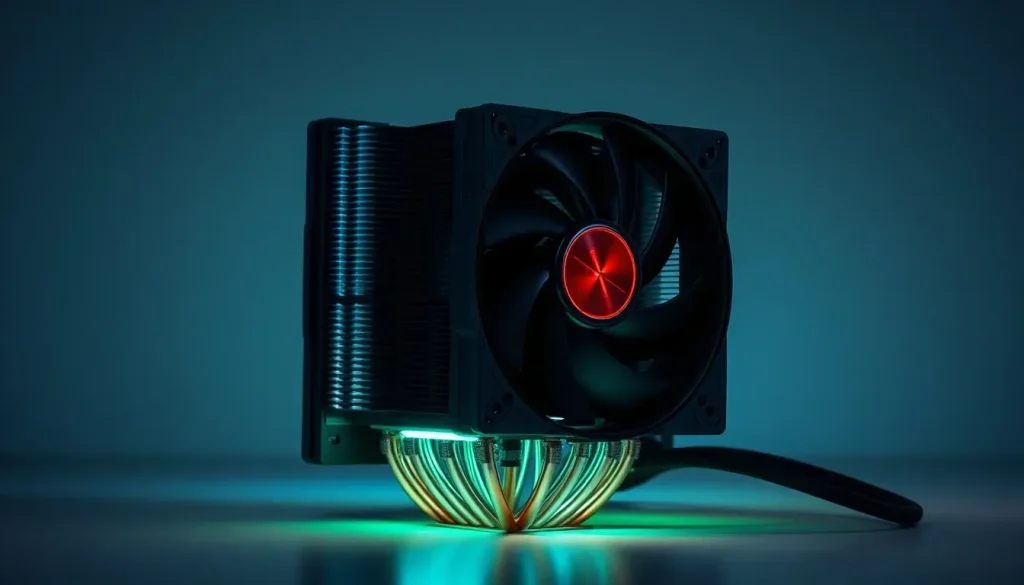
In recent days, a wave of dissatisfaction has emerged among users of the UX400 CPU coolers from Thermaltake. These complaints, primarily regarding manufacturing defects, have sparked significant discussion within the tech community. With photos surfacing that showcase uneven surfaces, visible machining marks, and misaligned fans, users have raised concerns about the cooler's quality control. In response, Thermaltake has issued a statement addressing these issues and urging users to remain calm.
Fortunately, Thermaltake acted swiftly to quell the unrest. In an official statement dated October 14, 2025, the company acknowledged the inquiries it has received from customers and provided a detailed technical explanation of the manufacturing process for the UX400 Air Cooler, available in both black and white versions, with and without ARGB lighting.
Key Concerns Regarding the Thermaltake UX400 Coolers
Several points have been highlighted by users, illustrating the core concerns surrounding the UX400 coolers. Here are the most significant issues:
- Base Design Variability: The base of the UX400 employs a direct pressure system between the copper heat pipes and the main surface, leading to a medium tolerance of 0.3 mm and a height difference of about 0.2 mm between areas.
- Thermal Performance Claims: Thermaltake asserts that these variances are within acceptable design specifications and do not impact thermal performance or product reliability.
- Deformation Risks: The company admits that the copper can slightly deform if excessive force is applied during installation, suggesting users take care to avoid unnecessary pressure.
- Fan Installation Issues: Reports of fans being installed at slight angles have also been noted, contributing to user frustration.
- Cable Damage During Shipping: Some users experienced issues with fan cables getting pinched during transport, although Thermaltake claims this is not a design flaw.
What Happens If a CPU Cooler Stops Functioning?
Understanding the implications of a malfunctioning CPU cooler is critical for any computer user. If the cooler fails, the CPU can quickly overheat, leading to potential hardware damage. Here are some potential consequences:
- Thermal Throttling: CPUs may reduce their clock speed to prevent overheating, resulting in decreased performance.
- System Crashes: An overheated CPU can lead to unexpected system failures, crashes, or freezes.
- Permanent Damage: Prolonged exposure to high temperatures can irreparably damage the CPU, potentially requiring a costly replacement.
Identifying Damage in CPU Coolers
Recognizing signs of damage in CPU coolers is essential to maintaining system performance. Here are some key indicators:
- Uneven Surface: Look for irregularities on the cooler's base that may prevent effective contact with the CPU.
- Visible Deformations: Check for any visible bends or warps in the cooler that could affect its function.
- Noise Levels: Unusual sounds from the fans can indicate mechanical issues or misalignment.
Additional Issues Reported by Users
In addition to the aforementioned concerns, users have reported specific problems that warrant further discussion:
- Cables Getting Caught: Several users reported that the fan cables were pinched during shipping, which Thermaltake acknowledged as an isolated issue.
- Fan Misalignment: The installation of fans may result in slight deviations due to vibrations during transport, which Thermaltake is currently reviewing to improve packaging.
Thermaltake's Response and Commitment
Thermaltake concluded its statement with a message of accountability and commitment to customer satisfaction:
“We greatly value the feedback from our customers. If you have concerns regarding the quality or use of the product, please do not hesitate to contact us.”
The company has pledged to enhance its quality control measures and post-sale services to maintain user trust. This situation illustrates a critical intersection between consumer perceptions and manufacturing engineering in the current cooling landscape of 2025.
Thermaltake's choice to embrace technical transparency rather than denial may serve to its advantage, provided they can demonstrate that the actual performance remains unaffected. Whether this explanation will suffice to appease the most discerning enthusiasts remains to be seen.
For further insights, check out this related video that discusses the potential issues with stock coolers and their impact on processor performance:
As the debate continues, users remain skeptical about Thermaltake's responses, questioning whether they are trying to downplay manufacturing flaws with justifications. The tech community is eagerly awaiting further clarifications, particularly from Japan, where user experiences are being closely monitored.



Leave a Reply