
Tim Cook commits to increase investment in China amid Trump pressure
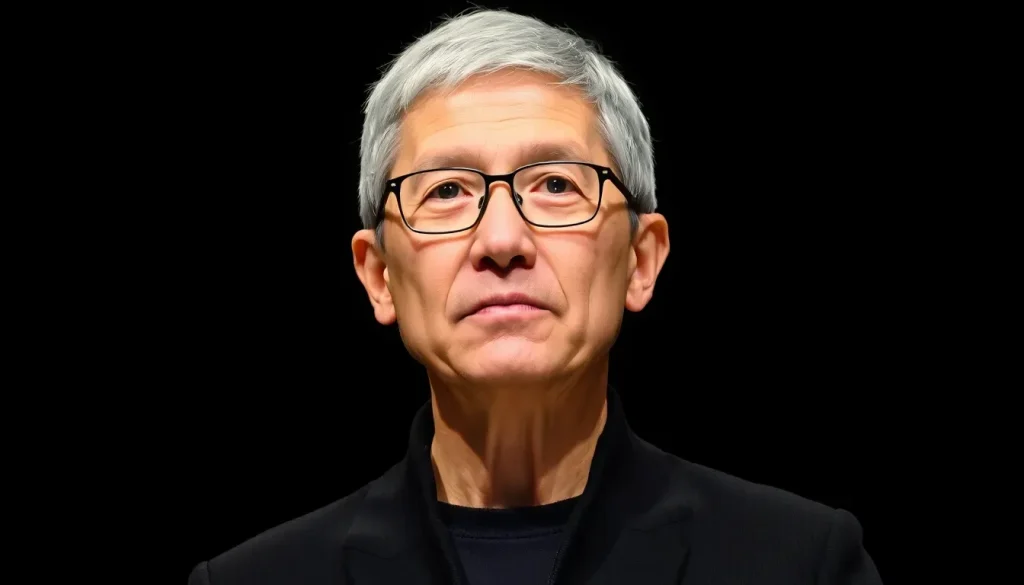
As the global landscape continues to shift, the dynamics between major economies like the United States and China are becoming increasingly complex. At the forefront of this interplay is Tim Cook, CEO of Apple, whose strategies and decisions regarding investment and operations in China are pivotal not only for his company but also for the broader tech industry.
Amidst ongoing geopolitical tensions and trade disputes, Cook's commitment to enhancing Apple's presence in China presents a fascinating case study of corporate resilience and adaptability in the face of external pressures.
Understanding the geopolitical landscape between the US and China
The relationship between the United States and China has been marked by a series of economic and political tensions that have escalated over the past few years. These tensions are often characterized by trade wars, tariffs, and significant scrutiny on foreign investments. Such a backdrop creates a challenging environment for multinational corporations like Apple, which rely heavily on both American and Chinese markets.
For instance, the imposition of tariffs by the Trump administration was designed to encourage companies to bring manufacturing back to the US. This move, however, has raised concerns about the sustainability of American manufacturing capabilities, especially in tech industries where supply chains are deeply intertwined with Chinese production.
Furthermore, the ongoing competition for technological supremacy, particularly in sectors like artificial intelligence and telecommunications, adds another layer of complexity. Companies must navigate a landscape where not only their financial interests but also national security concerns are at stake.
Tim Cook's strategy for investment in China
During a recent visit to China, Tim Cook reaffirmed Apple's commitment to increasing its investment in the country. This announcement comes at a critical time when the company is facing pressures from both the US government and internal goals to diversify its manufacturing base.
While specific figures regarding the investment were not disclosed, Cook's discussions with Chinese officials underscore Apple's intention to maintain strong ties with one of its largest markets. Some key aspects of Cook's strategy include:
- Expansion of manufacturing capabilities: Apple is looking to enhance its manufacturing footprint in China, which remains essential for its supply chain.
- Collaboration with local companies: Partnerships with local firms can provide Apple with insights and access that are crucial for navigating the Chinese market.
- Investment in R&D: Cook mentioned plans to allocate resources towards research and development in China, aimed at innovation tailored to local consumer preferences.
These strategies indicate that Cook is not only focused on immediate business outcomes but also on building long-term relationships that can bolster Apple's position in the global market.
Challenges of US-China trade tensions
The trade war initiated by the Trump administration introduced tariffs that have significantly affected Apple’s operational costs. The tariffs, which were intended to encourage companies to relocate manufacturing back to the US, resulted in increased expenses for Apple, estimated at around $2 billion. This financial burden has implications for pricing, profit margins, and overall competitiveness.
However, Cook's approach suggests a nuanced understanding of the challenges that come with such geopolitical tensions:
- Balancing act: Apple must balance the demands for US manufacturing with the practicalities of its existing supply chain in China.
- Global supply chain diversification: While Cook emphasizes investment in China, Apple is also exploring opportunities in other countries, such as India, to mitigate risks associated with over-reliance on a single market.
- Long-term vision: Despite short-term pressures, Cook appears committed to a long-term strategy that acknowledges the importance of the Chinese market for Apple’s growth.
Who are the key investors in China?
China has become a focal point for global investment, attracting significant capital from various sectors. Some of the major players include:
- Technology giants: Companies like Google, Microsoft, and Amazon have made substantial investments in research, development, and partnerships in China.
- Automotive manufacturers: Brands such as Tesla and Volkswagen are investing heavily in electric vehicle production to cater to China's growing demand for sustainable transportation.
- Financial institutions: Investment banks and venture capital firms are increasingly focusing on Chinese startups, especially in fintech and AI.
These investments not only signify trust in China's economic potential but also indicate the competitive landscape where companies vie for market share and technological leadership.
Future outlook for Apple in China
As Apple navigates through these turbulent waters, it is crucial to consider the future implications of its decisions. The potential for growth in China remains significant, driven by a growing middle class and increasing demand for technology products. However, several factors will play a critical role in shaping Apple's trajectory:
- Regulatory environment: The Chinese government's policies towards foreign investments and technology companies will significantly impact operations.
- Competitive landscape: Local competitors are gaining ground, which may challenge Apple's market share.
- Consumer behavior: Understanding local preferences and adapting products accordingly will be essential for sustained success.
Ultimately, as Cook continues to strengthen Apple's ties with China amidst these challenges, the company's ability to adapt and innovate will determine its success in one of the world's most dynamic markets. For a deeper dive into the current state of Apple's strategies in light of these challenges, you can watch this informative video:
In conclusion, Tim Cook's ongoing engagement with China reflects a complex balancing act of opportunity and risk. As geopolitical tensions continue to evolve, Apple's strategy will need to remain flexible and responsive to both market demands and political realities.



Leave a Reply