
Tim Cook commits to increased investments during China visit
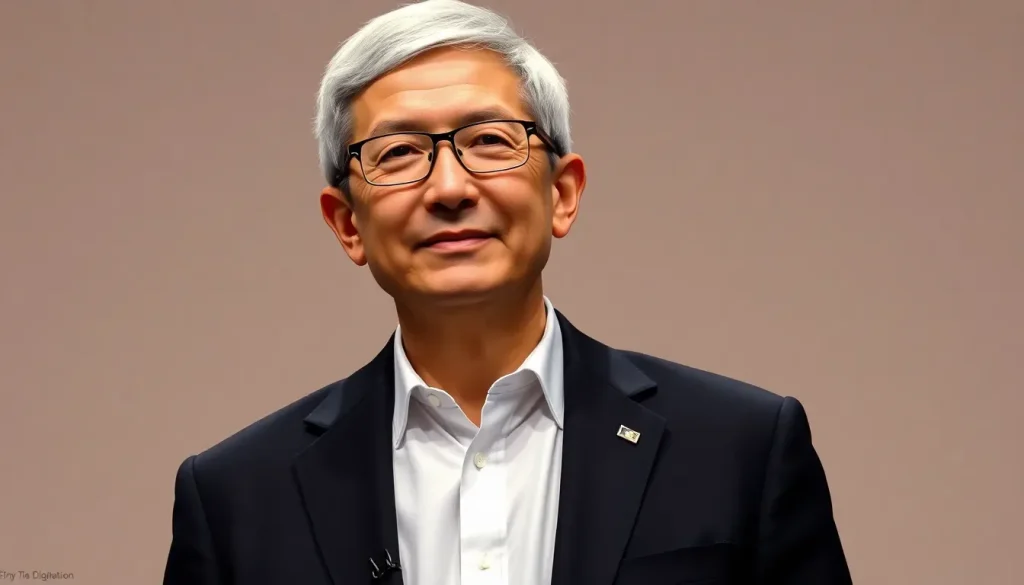
In a world where global trade dynamics are constantly shifting, the relationship between major companies and nations is more critical than ever. Apple CEO Tim Cook's recent visit to China underscores this reality, revealing the intricate ties between business interests and geopolitical considerations. Cook's commitment to investing further in China comes at a time when the tech giant is navigating a complex landscape of supply chain challenges and diplomatic tensions.
The CEO's trip not only highlighted Apple's ongoing dedication to the Chinese market but also addressed the concerns surrounding the U.S.-China trade relationship, which has been tumultuous in recent years. This visit was marked by significant announcements and gestures that could reshape perceptions about the future of Apple's presence in China.
Tim Cook's commitment to China
During his recent visit to China, Tim Cook met with key government officials, including Li Lecheng, the Minister of Industry and Information Technology. In these discussions, Cook reiterated Apple's intention to continue investing in the country despite the backdrop of increased tension between the U.S. and China regarding trade policies. The official summary of this meeting noted:
“Tim Cook assured that Apple would maintain its investment trajectory in China, a commitment that reflects the company's reliance on the Chinese market for manufacturing and sales, especially in light of the recent fluctuations in global supply chains.”
This affirmation resonates particularly in a climate where many U.S. firms are reevaluating their operations in China due to tariff disputes and changing regulatory environments. Cook's stance is pivotal as it signals confidence in China's market potential, even amid rising political scrutiny.
Impact of U.S.-China trade tensions
The relationship between the United States and China has been characterized by a series of challenges, including tariffs and regulatory hurdles. These elements have created uncertainty for companies operating across borders. Key developments include:
- Tariffs: Increased tariffs on goods imported from China have influenced production costs and pricing strategies for American companies.
- Supply chain adjustments: Many businesses have started diversifying their supply chains to mitigate risks associated with dependency on China.
- Geopolitical concerns: Ongoing tensions regarding human rights and technology have led to heightened scrutiny from both governments.
In this context, Cook's reassurance about Apple's continuing investments serves as a counter-narrative to the prevailing skepticism surrounding U.S. companies' commitments in China.
The strategic importance of China for Apple
China is not just a manufacturing hub for Apple; it is also a crucial consumer market. The country has become a significant driver of Apple's revenue, particularly for its flagship products such as the iPhone. Recent trends indicate a rebound in iPhone sales in China, signaling a positive turn after a period of declining demand.
To contextualize the importance of China for Apple, consider los siguientes puntos:
- Market size: China boasts a massive population with a growing middle class eager for premium products.
- Manufacturing capabilities: Apple's intricate supply chain benefits from China's advanced manufacturing infrastructure.
- Innovation partnerships: Collaborations with Chinese universities and businesses enhance Apple's research and development initiatives.
These factors underscore why maintaining a strong relationship with China is essential for Apple's long-term strategy.
Recent announcements during the visit
Cook's visit to China was also marked by noteworthy announcements that reinforce Apple's commitment to the region. One of the highlights was the introduction of preorders for the iPhone Air, which is set to commence shortly after his visit. This move is intended to stimulate sales and maintain brand visibility in a competitive market.
Additionally, Apple unveiled a new environmental initiative in collaboration with Tsinghua University, aimed at promoting sustainable practices in technology. This partnership aligns with Apple’s broader commitment to environmental responsibility, which has become increasingly important to consumers worldwide.
Apple's strategic responses to market fluctuations
As Apple navigates the complexities of operating in China, its strategies to respond to market fluctuations have become critical. The company is actively working on the following fronts:
- Enhancing localization: Apple is increasing efforts to localize its products and services to better meet the needs of Chinese consumers.
- Adapting to consumer preferences: Understanding and responding to the specific tastes and preferences of Chinese users is paramount.
- Innovative offerings: Introducing unique products tailored for the Chinese market, such as localized apps and services.
These strategic pivots highlight Apple's adaptability amid a rapidly changing environment.
9to5Mac’s analysis of the situation
According to insights from 9to5Mac, Cook's comments reflect a critical balancing act for Apple as it seeks to maintain its market presence in China while navigating the contentious trade war between the two largest economies in the world. The situation remains fluid, and the tech giant may face scrutiny from U.S. officials regarding its commitments.
While the U.S. government has been relatively silent following Cook's assurances, it is likely that responses will emerge as the trade war escalates. Apple’s strategic decisions will be closely watched, not only by investors but also by policymakers concerned about the implications for U.S. manufacturing and employment.
Exploring the future of Apple's investments in China
As Apple looks ahead, it faces both opportunities and challenges in its quest to solidify its foothold in China. The company must consider:
- Investment scaling: Determining the right level of investment to support growth while managing risks associated with changing regulations.
- Supply chain resilience: Building a more resilient supply chain to withstand geopolitical pressures.
- Consumer trust: Maintaining and enhancing consumer trust through transparency and corporate responsibility.
In conclusion, Tim Cook's visit to China serves as a microcosm of the larger challenges and dynamics at play between global corporations and national interests. As the landscape evolves, Apple's strategic decisions will significantly influence its future trajectory in this critical market.
For those interested in a deeper look at Tim Cook's visit and its implications, you can watch this informative video:



Leave a Reply