
Trucking recovery driven by falling capacity, not economic growth
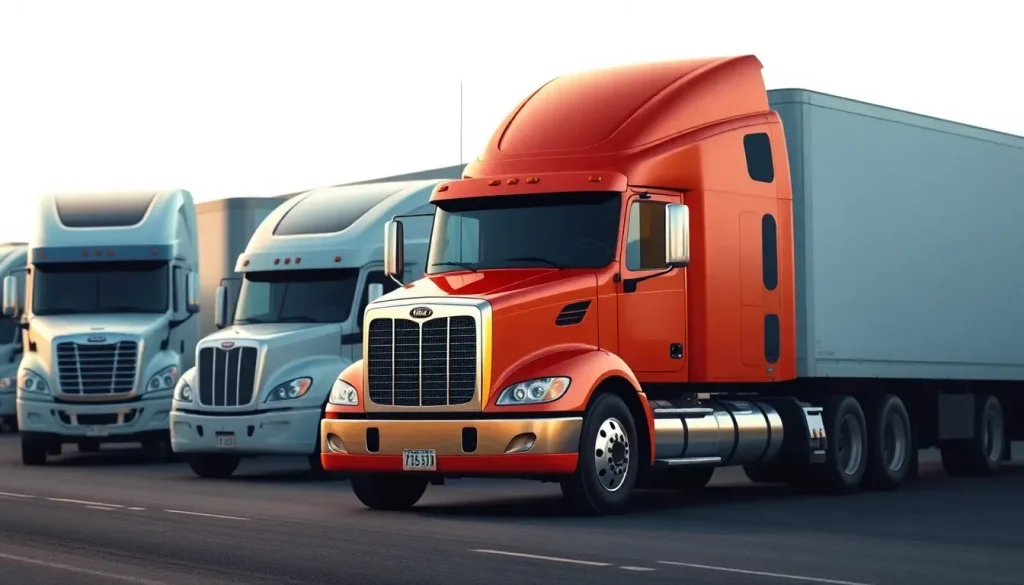
The trucking industry is navigating a complex landscape marked by challenges and uncertainties. With shifting economic indicators and fluctuating demand, the future of trucking continues to hang in the balance. Understanding these dynamics is crucial for industry stakeholders as they prepare for a potentially tumultuous period ahead.
Bob Costello, the chief economist of the American Trucking Associations (ATA), recently highlighted the current state of the trucking industry, emphasizing the unprecedented challenges it faces. Optimism at the start of 2025 regarding a potential economic boost has been overshadowed by the reality of a prolonged freight slump that has now extended into its third year. While Costello does not predict a recession, he asserts that any recovery for fleets is unlikely to emerge from increased demand; instead, it will likely stem from a significant reduction in industry-wide capacity.
Understanding the current labor market dynamics
In 2025, the labor market has shown signs of significant weakening, according to Costello. Until now, the lack of major layoffs had kept job figures relatively stable, but employers have become increasingly hesitant to hire new workers. This reluctance can be attributed to various factors, including uncertainty in economic conditions and rising operational costs.
Particularly concerning for the trucking industry is the contraction in the manufacturing sector, which is vital for freight transportation. The Institute for Supply Management reports that this sector has contracted for seven consecutive months, leading to a substantial loss of jobs. An estimated 42,000 factory jobs have disappeared in the last four months alone, further complicating the landscape for trucking companies that rely on a stable manufacturing base.
Anticipating price pressures from tariffs
While the impact of tariffs on U.S. consumers has been relatively muted thus far, Costello foresees that this will soon change. It is estimated that around half of the imports entering the United States consist of semi-finished products used in manufacturing processes, which could be significantly affected by tariffs. This shift is expected to create additional challenges for the trucking industry as costs rise.
Costello likens the current situation to being in the early innings of a baseball game, suggesting that the full impact of tariffs on the trucking sector and the broader economy is still unfolding. As tariffs increase, trucking companies may face rising operational costs, potentially squeezing their profit margins further.
The necessity of shedding truck supply
Costello has expressed a growing conviction that the oversupply in the trucking industry is beginning to correct itself. He notes that the adjustment is particularly evident in truckload fleets, where costs are escalating while freight demand and rates remain sluggish. This scenario has placed many fleets on the brink of failure, as they struggle to maintain profitability.
The less-than-truckload (LTL) sector is also experiencing pressure, with critical metrics such as average weight per shipment continuing to underperform. This situation has led to a challenging environment for many carriers. On a recent earnings call, Adam Miller, CEO of Knight-Swift Transportation Holdings, outlined the profile of fleets that are likely to face the most significant challenges:
- Medium-sized carriers investing in safety and compliance.
- Fleets lacking the scale necessary to absorb cost inflation.
- Companies operating in a persistently soft pricing environment.
Additionally, the focus of the previous administration on ensuring English-language proficiency among truck drivers, as well as measures against illegal cabotage, is gradually removing excess capacity from the market. These factors are expected to benefit U.S. trucking fleets as they navigate the ongoing supply chain challenges.
During the Knight-Swift earnings call, Miller also pointed out that larger fleets are pulling back from long-haul services to focus on dedicated opportunities, which, in conjunction with the stagnation of private fleet growth, should further contribute to capacity reductions.
Future outlook for the trucking industry
As the trucking industry looks ahead, experts are increasingly optimistic about the potential for recovery driven by a decrease in capacity rather than growth in demand. This perspective reflects a fundamental shift in how stakeholders must approach operational strategies and market positioning.
The convergence of various factors, including inflationary pressures, wage stagnation, and rising costs, means that trucking companies will need to adapt their business models to remain competitive. This may involve:
- Investing in technology to optimize routes and improve fuel efficiency.
- Diversifying service offerings to cater to changing customer needs.
- Enhancing workforce training programs to maintain compliance.
Furthermore, as companies navigate this transition, they may find value in exploring new partnerships within the logistics ecosystem. Collaborative efforts between trucking firms, manufacturers, and technology providers could lead to innovative solutions that enhance efficiency and create new revenue streams.
As an example of the evolving landscape, a recent video from Freightwaves discusses the ongoing recovery of the trucking industry and the factors influencing it. The insights provided in this discussion can help industry stakeholders understand the broader trends at play. Watch the video here:
In conclusion, the trucking industry is grappling with a unique set of challenges that are reshaping its future. Understanding the interplay between labor market dynamics, tariff impacts, and the necessity of shedding excess capacity will be vital for companies seeking to thrive in this evolving landscape. Through strategic adaptations and a focus on innovation, trucking firms can position themselves for success in an era defined by change.


Leave a Reply