
Watch War of the Worlds, our bold news-talk game show
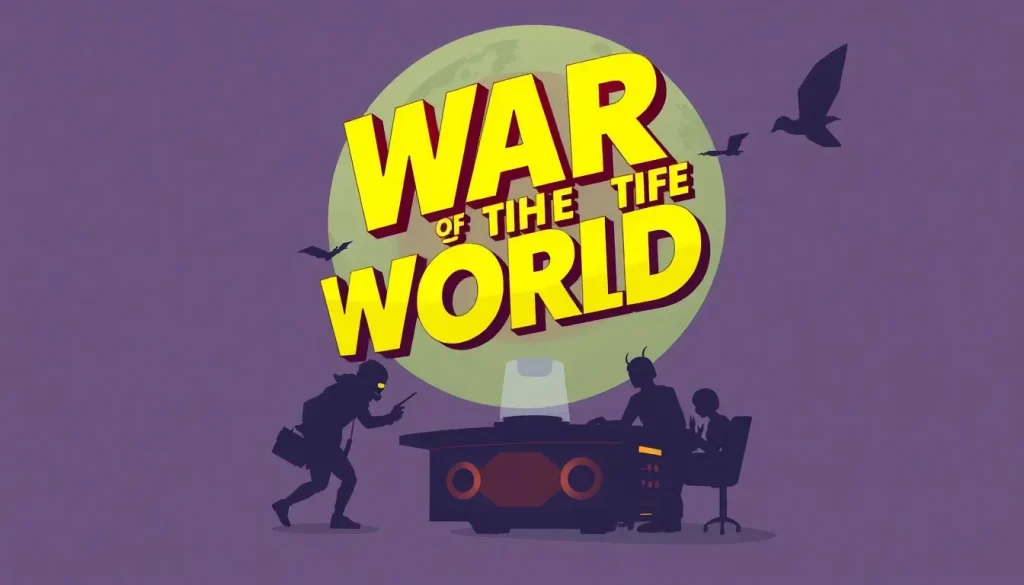
In a rapidly evolving digital world, media formats and entertainment continue to transform, leading to fascinating new interactions. One such innovation is the blending of talk shows with game shows, creating an engaging and dynamic viewing experience. This article delves into one of the most exciting examples of this trend, "War of the Worlds," which not only entertains but also encourages lively discussion on contemporary topics.
- The intriguing concept of War of the Worlds
- Current themes discussed in the series
- Behind the scenes: the format of the show
- Why the War of the Worlds matters today
- Accessing the show: where to watch and listen
- Engaging with the audience: the social media presence
- Exploring the roots of War of the Worlds
- Conclusion: the future of War of the Worlds
The intriguing concept of War of the Worlds
"War of the Worlds" epitomizes the fusion of entertainment and informative discourse, capturing audience attention through its unique format. This innovative series combines elements of a talk show and a game show, challenging viewers to engage with pressing issues while enjoying a competitive twist. By centering discussions around widely relatable topics, it sparks both laughter and contemplation, making it a must-watch in today's media landscape.
Current themes discussed in the series
In each episode of "War of the Worlds," participants tackle a range of contemporary issues that resonate with viewers. The show's host, Oscar Raymundo, brings a personal touch to these discussions by sharing his own experiences, such as his iPhone battery troubles. This relatable introduction sets the stage for a broader conversation encompassing multiple subjects:
- Challenges with smartphone technology
- Mobile apps to avoid for optimal user experience
- The impact of social media platform shutdowns
- Facebook's ambition to rival streaming giants
- The mainstream rise of eSports
- Trivia segments like "Name that old computer!"
These themes not only entertain but also educate the audience on the multifaceted nature of technology and media in modern society.
Behind the scenes: the format of the show
The structure of "War of the Worlds" is designed to encourage lively debate and interaction between guests and viewers. Each episode features a mix of discussions, games, and lighthearted competition, promoting an atmosphere that feels both relaxed and intellectually stimulating. The show aims to engage audiences through:
- Open discussions that invite differing viewpoints
- Interactive segments that encourage viewer participation
- Humor-infused commentary that keeps the mood light
This format not only entertains but also fosters a sense of community among viewers as they share their own opinions and experiences related to the topics discussed.
Why the War of the Worlds matters today
In an age where media consumption is rapidly changing, "War of the Worlds" serves as a reminder of the importance of engaging dialogue. It highlights how entertainment can intersect with critical societal issues, making it relevant for various demographics. As audiences seek more meaningful content, shows like this help bridge the gap between entertainment and education.
Accessing the show: where to watch and listen
"War of the Worlds" is readily available for audiences who wish to tune in to this innovative series. Viewers can find episodes on various streaming platforms that host talk show formats. Additionally, for those who prefer audio, the series can be found on popular podcast platforms.
For an in-depth experience, you can find the original audio broadcast of "War of the Worlds" from 1938, a classic that shaped public perception of media. You can listen to it here.
The show's creators understand the significance of social media in amplifying their reach. By maintaining an active presence on platforms like Twitter and Instagram, they encourage viewers to discuss episodes and share their thoughts. This interaction not only enhances viewer engagement but also allows the production team to gather feedback and adapt content to better suit audience preferences.
Furthermore, the series occasionally invites audience participation through polls and questions, creating a more inclusive environment where viewers feel valued and heard.
Exploring the roots of War of the Worlds
The concept of "War of the Worlds" has its origins in H.G. Wells' novel, which has been adapted into various media forms over the years. Its most notable adaptation, the 1938 radio broadcast narrated by Orson Welles, famously incited panic among listeners who believed they were experiencing a real alien invasion.
This historical context adds a layer of depth to the modern series, reminding audiences of the powerful influence of media on public perception. The show cleverly plays on this legacy, using the theme of alien invasion as a metaphor for contemporary challenges faced by society.
For a nostalgic look back at the origins of this concept, you can watch the classic radio broadcast here.
Conclusion: the future of War of the Worlds
As "War of the Worlds" continues to evolve, it remains pivotal in showcasing the intersection of entertainment and meaningful discourse. With its engaging format, timely topics, and active audience participation, the series is poised to leave a lasting impact on the media landscape. Whether you're a fan of talk shows, game shows, or simply curious about contemporary issues, "War of the Worlds" promises an experience that challenges and entertains in equal measure.


Leave a Reply